
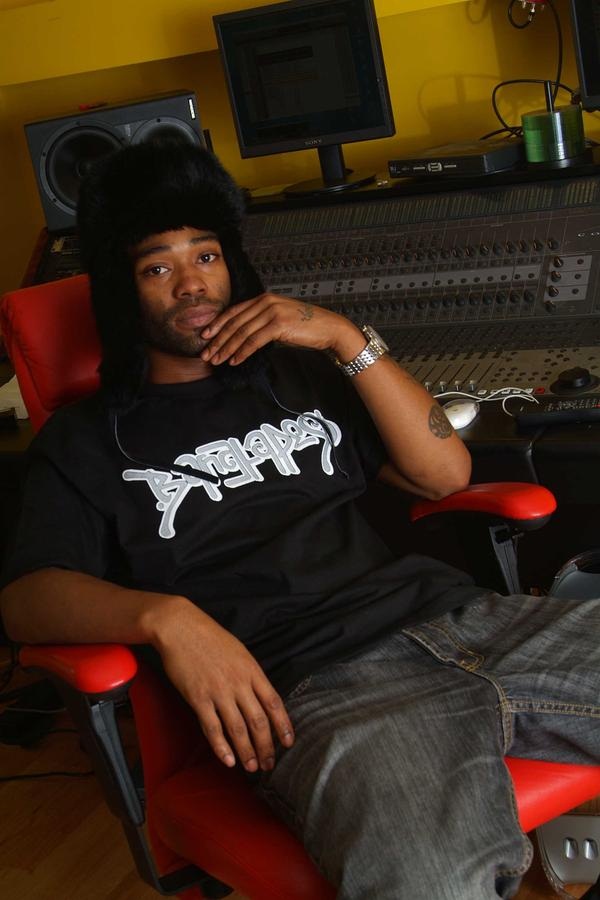
Representatives for Cash Money Records are countering Bangladesh’s “A Milli”compensation lawsuit by stating the producer lost all royalty proceeds for failing to clear the sample.
For the past several months, the Atlanta producer has been airing his grievances publicly with the label to coincide with the lawsuit. Bangladesh alleges Cash Money has not paid him any royalties for “A Milli,” which was the second single off Lil Wayne’s multi-platinum 2008 album Tha Carter III. The track became of the biggest Hip-Hop songs that year and charted #6 on Billboard’s Top 100. Bangladesh also claims the majority of the blame is due to unethical business practices from Cash Money co-CEO Bryan “Baby” Williams.
In a prepared statement from the label, a representative for Cash Money Records confirmed that Bangladesh has not received any royalty payments. However, the statement explains that due to Bangladesh not disclosing his sample sources, his cut of the song’s royalties was eliminated after the company settled a copyright lawsuit from the sample’s copyright holder.
“There is no merit to this claim,” the statement read. “Bangladesh incorporated a sample without informing Cash Money. [Cash Money has] successfully settled the copyright infringement claims that Bangladesh caused with other third parties and his producer and composition shares were wiped out by the sample owners.”
At press time, Bangladesh’s lawsuit is still active. He has submitted instrumentals for Nas’ new album, and is continuing his working relationship with Cash Money Records via tracks submitted for Nicki Minaj’s debut Pink Friday.
***********************************************************************
You would think the label would handle sample clearances, but that’s not always the case. Labels are businesses with many hands involved. And like any similar business, costly mistakes can sometimes happen. At first glance, it may seem difficult to believe Cash Money’s statement, but it’s not without precedent in recent Hip-Hop history.
In 2002, Dr. Dre’s former artist Truth Hurts got her first and only hit record courtesy of the DJ Quik-produced “Addictive,” an appropriation of Meghna Naaydu’s Hindi hit “Kaliyon Ka Chaman,” which itself was a remake of Lata Mangeshkar’s 1981 composition “Thoda Resham Lagta Hai.” Quik heard the song early one morning on a TV show, so the likelihood he could get the correct Hindi song titles and artist names for each sampled track was impossible. Even so, Aftermath released the track and ignored a cease and desist letter from copyright holder Saregama India. The company would file a $500 million dollar lawsuit against Aftermath, which was settled out of court.
In 2004, Just Blaze sampled Supertramp’s “Crime of the Century” for Fabolous’ single “Breathe.” Despite it being Fabolous’ biggest hit, he claims he never made any royalties off of it due to the publishing cut Supertramp requested. Even without seeing the actual paperwork, that means Supertramp received all or the majority of the mechanical (payment for sales) and performance (radio, TV, live) royalties. And this was even with Just Blaze himself working to pay and have the sample cleared beforehand.
Another example is Sting, lead singer of the Police. The rock legend will clear samples of his work only if he gets 100% of the publishing. Puff Daddy had to concede on this point in order to get clearance for his 1997 hit “Missing You,” which uses the Police’s “Every Breath You Take.” Cam’Ron also gave up all his song publishing Confessions of Fire’s “Prophecy,” which uses Sting’s “Fragile.” On those album’s liner notes, you’ll see Sting’s name as the sole writer of those Hip-Hop tracks. For the rapper, the hope is that the song becomes popular enough to allow for money to be made through touring, and other revenue streams like endorsements.
So going back to Bangladesh’s case, each side’s stance is believable. Bangladesh could have submitted his samples (Gladys Knight & the Pips’ “Don’t Burn Down the Bridge,” and A Tribe Called Quest’s “I Left My Wallet in El Segundo (Vampire Mix)”) for “A Milli,” and Cash Money simply failed to follow through. Or he could’ve pulled what DJ Quik did and simply submitted the work without the sample references.
The scary thing is it’s quite possible that legally he’s not entitled to any royalties depending on the publishing split. It’s just another example of how crazy the music industry is. Behind the glamour and glitz is a cutthroat business model that you have to be fluent in to survive.
I hope it works out for Bangladesh. If it doesn’t, it’s an expensive but valuable lesson he’ll have learned.
“A Milli’s” Intro Sample
“A Milli” Vocal Sample (0:35-0:52 and 3:49-5:09 marks)

 Beats, Boxing and Mayhem