
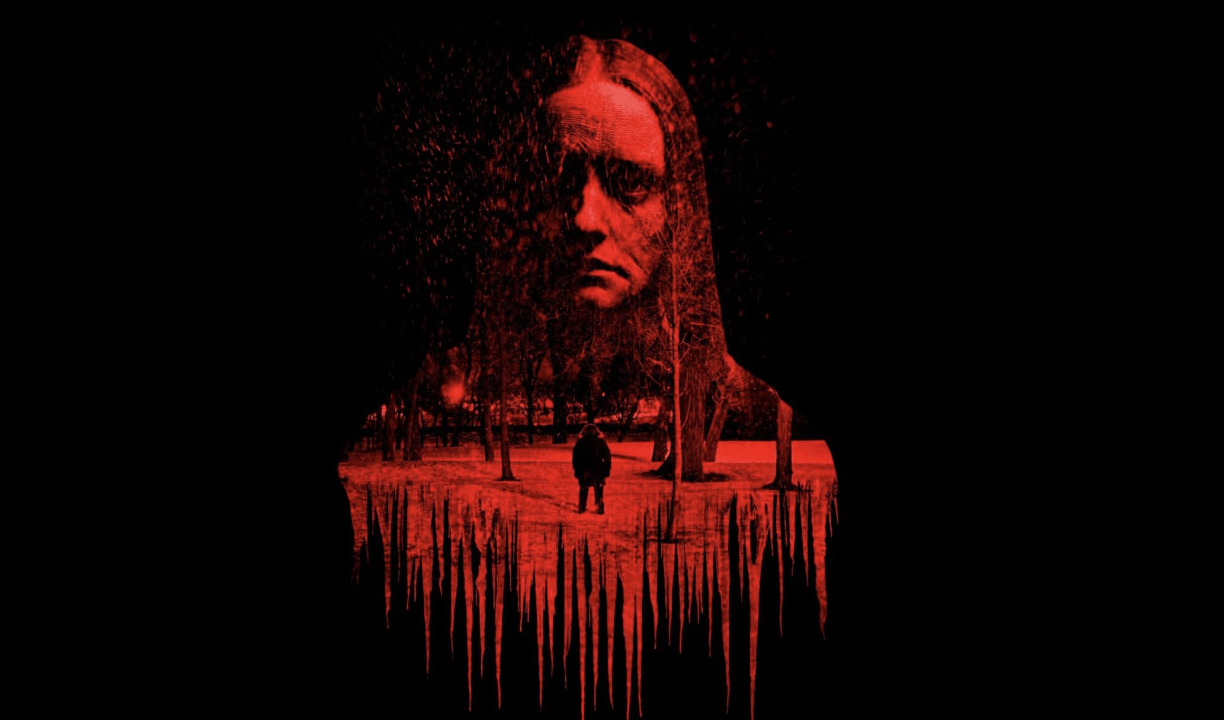

When the phrase “zombie apocalypse” is heard, it conjures up familiar images. Destroyed and abandoned cities. Scarce resources and distrustful survivors. Above anything, as viewers we expect an entertaining and chaotic ride, a glimpse at what dystopian reality TV might look like. Wintertide, the latest film from John Barnard, takes a more unnerving approach by creating a world without sun and a zombie-like disease rooted in the residual mental scars we carry from the 2020 pandemic.
The sun hasn’t been seen for over three months, keeping this barren northen city in a setting of perpetual harsh winter. The “zombie disease” creates despressive, disoriented husks (“strays”) of its victims instead of flesh-eaters. It’s not passed through fluids or bites — the degree victims are affected is due to genetic disposition and not fully understood, requiring all to take different daily medications. Our central character Beth (Niamh Carolan) spends her time isolated in a city quadrant where she volunteers to search for wandering Strays and notify cleanup patrols.
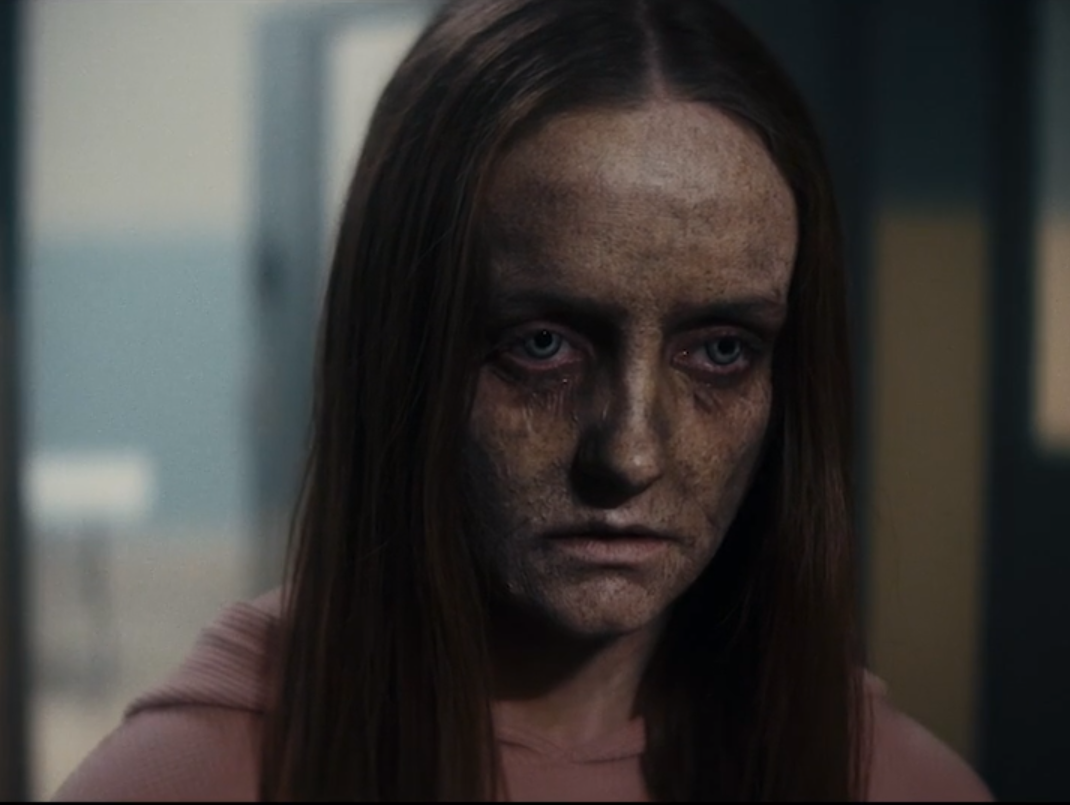
Beth carries guilt from the loss of her mother and disappearance of her father. Much of the film centers on her attempts to replace that intimacy with one night stands and emotional reliance on close friend Natalie (Solange Sookram). Since the strays aren’t consistently a deadly threat, the film relies on the crushing weight of isolation to amplify tension. Beth’s descent into depression and self-desctructive behavior mirrors what many experienced during COVID lockdowns.
The best subplot involves the gruff scientist known as the “Innkeeper.” He mangages the patrol and the facility which houses and studies the captured Strays. He also holds a complicated relationship with Beth as he feels protective over how she lost her mother. We get discussions on the nature of the Stray virus and what “humanity” reamins in the victims. However, theses philosophical debates are sparse and take a backseat in favor of Beth’s journey to finding her father.
Beth and her father’s interactions, patricularly in relation to the virus’ nature, doesn’t carry the same authenticity we see with Natalie. Too often, his appearances (even in dreams) functions as a deus ex machina prop to save Beth from aggressive Strays. And despite addressing the unique intricancies of the Strays virus (ex. the importance of electrical grids), they still do things way outside the movie’s preceived “rules” (ie. driving a car).
Shortcomings aside, Wintertide is a slow burn that flips the narrative on what could truly be the most nightmarish version of a zombie-like apocalypse. It might not be shambling flesh eaters and roving bands of opportunistic scavengers. It could be endless nights, the hell of monotous routine, and the one thing that keeps our minds sharp, human interaction, becoming a gateway to extinction.
Wintertide is available to stream through August 20 via The Popcorn Frights film festival.

 Beats, Boxing and Mayhem